Welcome to our website, we will be happy to serve you!
0086-13655888437
0086-13655888437

Common problems with CNC machine tools can have serious consequences. Errors may seem minor, but if left undetected, they can cause significant damage to the tool and machine. These problems shorten the life of the machine and impact productivity, leading to replacement costs or significant downtime. Over time, they can lead to complete failure.
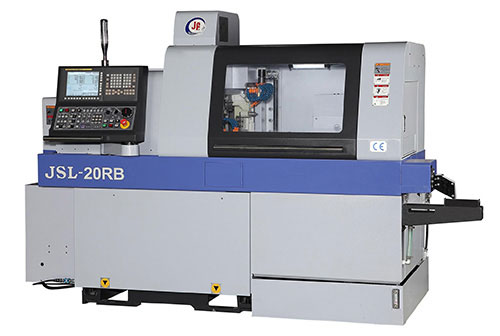
Identifying and resolving common machine tool problems can extend their lifespan. Predictive and proactive maintenance also reduces downtime, keeping our machining tools in optimal operating condition and improving overall efficiency.
The most common CNC machine tool problems include:
Code Errors
Computer-driven machines rely on complex code, and programming errors are one of the most common errors machine operators make. These errors can result from incorrectly entering variables into a program, incorrect setup, or a lack of understanding of different G and M computer codes.
These problems can be difficult to detect, especially if employees are inexperienced. Many immediately look for the problem in the machine, overlooking the possibility that the problem may be originating in the computer. Wasted time, materials, and machine damage can lead to costly and slow operations.
Lack of Maintenance
CNC machine tools consist of numerous moving mechanical systems that must operate to extremely tight tolerances to ensure product quality. The slightest inaccuracy, wear, or debris can severely impact machine performance, causing jams or permanent damage. Over time, dirt and debris accumulate, and small errors can compound, ultimately leading to machine failure.
Material movement during cutting, overheating, and noise are common signs of problems with CNC machines. The most common signs of overdue maintenance include minor machine errors, such as substandard or barely-standard surfaces.
Vibration or Humming
Vibration during operation can shorten tool life, impacting durability and long-term functionality. Chatter and hum can affect machine efficiency and cost-effectiveness. If an operator notices any unusual noise or chatter, the source of the vibration should be identified and the necessary steps should be taken to resolve the issue.
However, machine vibration often occurs long before the human ear can detect it. Modern maintenance practices include regular monitoring of vibration and ultrasonic frequencies to detect subtle performance defects.
Chuck Clamping Issues
Failure to carefully clamp the workpiece on the machine is another common mistake in CNC machining. Improper clamping can cause problems such as deflection, chatter, or deformation, which can damage the machine or workpiece. If the chuck does not hold the workpiece securely, it may need to be replaced. This problem can be more serious than damage to the workpiece or tool. Improper clamping of machine parts can lead to accidents and injuries to the operator, compromising the safety of the entire operation.
Incompatible Power Supply
If the operator notices performance issues with the machine, the power supply may be the problem. The power supply must always provide the correct voltage to the input. The output must also function correctly to ensure that the machine receives sufficient power. An underpowered machine will require longer operation to achieve the same result, leading to tool failure or workpiece damage. Excessive power can damage the machine or even cause complete failure.
Improper Tools or Setup
Incorrect cutting tools can affect the quality of the material being machined. Look for tool marks, rough edges, or burn marks on edges and corners. Repeated use of incorrect tools or settings can lead to severe tool wear. Dull tools and incorrect speed ratios can also result in rough surfaces.
Overheating
Overheating is a common problem with high-volume, long-running operations. Overheating of the machine tool spindle is often caused by unclean machine tools and the lack of proper airflow. Ambient temperatures often cause machine tools to overheat, which can affect work quality, tooling, and the machine. Typical CNC machines should maintain a stable temperature range to prevent adverse consequences.
How to Avoid Common Machine Tool Problems
While operating complex machinery can sometimes be challenging, supervisors can take specific steps to minimize unnecessary damage and failures. A preventative approach can save time and money by avoiding unnecessary downtime, repairs, and replacements. Taking the following steps can reduce the impact of common errors and preserve the life of your machine:
Prioritize operator training: Human error is common in production, whether it's selecting the wrong tool or entering data incorrectly. Ensure operators have extensive training and user manuals, and have experienced operators guide them until they are familiar with the settings and protocols.
Develop a preventive maintenance plan: CNC machines require regular cleaning and maintenance. Develop a detailed maintenance plan and ensure your team documents any repairs so that your company has a comprehensive record of every machine issue. Operators should regularly inspect machine tools to ensure adequate coolant levels and identify signs of wear.
Perform vibration analysis: Vibration analysis allows machine maintenance specialists to monitor machine vibration data and detect potential issues. It can detect bearing failures, bent shafts, misalignment, loose components, and more. If operators are concerned about vibration issues, consult a specialist to help identify the root cause.
Monitor the environment: Environmental factors are crucial for efficient CNC machine operation. Monitor temperature, humidity, noise, and power fluctuations to ensure the machine operates in an efficient environment.
Calibrate the machine: Regular calibration maintains machine accuracy and reliability. Follow the manufacturer's guidelines and have a specialist inspect the machine regularly to address minor issues before they become major problems.
Machine tool problems and operator error can cost a significant amount of money to an operation. Partnering with experienced, trusted machine tool specialists can reduce these issues through comprehensive after-sales service and reliable guidance on proper setup, programming, and maintenance. These professionals can also provide recommendations on whether to repair or replace equipment, thereby extending uptime and machine life.
 English
 Français
 بالعربية
 Русский язык
 Türkçe